
Mama G’s Independence Day Potluck
For the love of queer Africans.
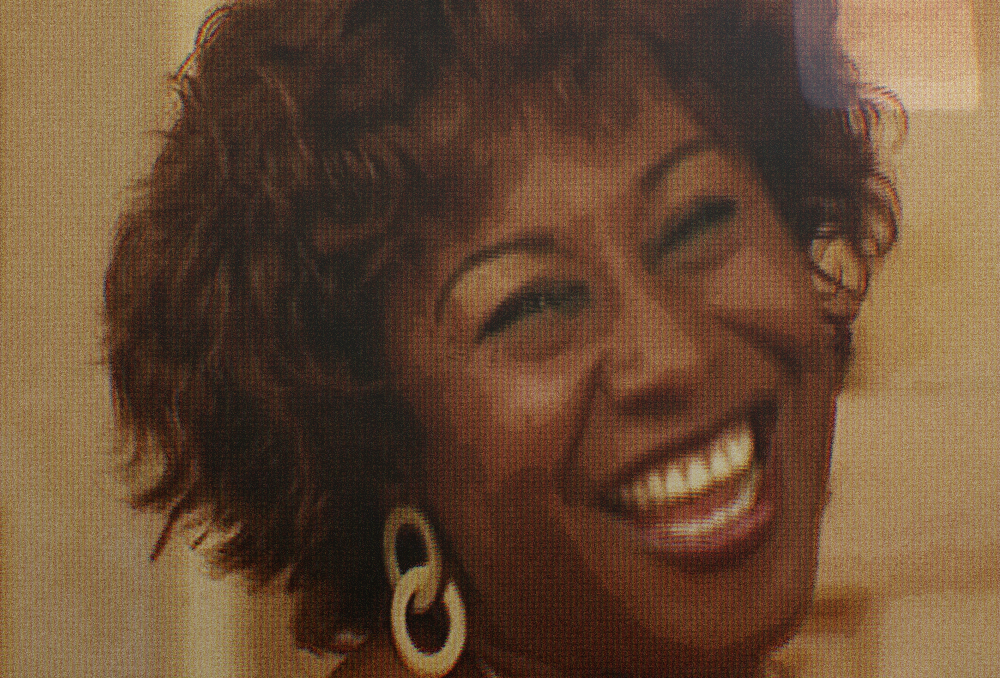
Courtesy of Native Magazine
Last year I hosted a Nigerian Independence Day Potluck that prioritized the safety of women, queer and trans Nigerians.
The very first guideline was for straight men to stay home. If one was to cross the threshold of my lesbian home, he would need to come bearing gifts and be willing to dance as David danced. Empty-handed, spectating men would be escorted from the premises.
My sister and friends helped me prepare pans of jollof, plantain, rum punch and hibiscus. We put malt on ice. Guests brought palm wine, assorted meats, and more rice. We played Uno furiously past sunset.
Finally, an Afrobeats function where I would not be harassed by someone’s ashy friend. It feels like we’re in a moment of abundant African cultural production, but we need to interrogate how our cultural spaces treat women and queer Africans.
Of course, I suffered from mad imposter syndrome all day. The usual anxiety crept forward - no one will come, you’re asking too much, who do you think you are? But then the laughter started up. Happy sounds floated up to my kitchen door, and eventually I felt I could be proud of what I’d done. Between helpings, folks seeded new relationships and ideas that have started to germinate (s/o ashawo).
I danced freely. My little sister teased me: ‘this is always how it goes.’ As a child, I loved dancing at hall parties. I loved being sprayed with dollars, and I made bank.
Nigerian immigrant communities evolved hall parties to generate social capital. These gatherings bridged isolated communities, connecting our foreparents to immigration services, life-changing advice, employment opportunities, and business partners.
Hall parties were used to weave support around life’s major milestones: weddings, baby showers, christening and naming ceremonies, graduations, ‘send-offs,’ and celebrations of life. I grew up watching uncles slap checks into one another’s palms. They were as much about coolers of jollof, clinking Guinness, and breaking kola nut, as they were about pooling resources.
Through these rituals, immigrant youth were indoctrinated to cultural norms, learning social expectations such as how to appropriately greet one’s elders. Thus these parties served to preserve culture, but they also reinforced misogyny, queer and transphobia, internalized anti-Blackness, and other marks of a colonial mentality.
Countries across the continent have had anti-LGBTQ+ laws on the books since colonization. Colonization was a violent process involving systematized, gendered, racial oppression. These persistent attitudes make cis-heteronormative African spaces unsafe for gender minorities contemporarily.
So growing up, I was rejected from the parties and spaces that used to serve my family. Many of us have survived complex rejection from our parents, and many of our peers share their elders’ colonial beliefs. Others, claiming an impossible ‘political neutrality,’ simply ignore their queer kin and elide our cultural contributions.
But we are here, building new homes, forging future traditions, and frying jollof.